


Textile Fibers
Definition and Characteristics
A fiber is a delicate, hair-like unit of matter characterized by an extreme length-to-thickness ratio, being several hundred times longer than it is thick. Textile fibers specifically refer to materials of either natural or artificial origin that possess the necessary flexibility, fineness, pliability, and strength to be spun into yarns and woven or interlaced into fabrics for domestic, clothing, and industrial purposes.
Historical Evolution of Natural Fibers
The usage of natural fibers dates back thousands of years across ancient civilizations. The earliest records show natural fibers being utilized around 8000 B.C. in Egypt, while the peoples of the Indian subcontinent were among the first to systematically attempt the cultivation and use of natural fibers for cloth production, with a particular early emphasis on utilizing silk.
Development of Man-Made and Synthetic Fibers
The concept of creating artificial fibers was prophesied as early as 1664 by Robert Hooke, who suggested replicating the silkworm’s mechanical process of forcing liquid through small openings to create a hardened thread. It took nearly two centuries to realize this vision:
- 1842 & 1855: Mechanical devices and chemical discoveries (such as cellulose nitrate) paved the way for artificial filament extrusion.
- 1884: Count Hilaire de Chardonnay produced the first commercial artificial textile fiber from nitrocellulose, earning him the title “Father of Rayon.”
- 1890–1892: Innovations led to the development of safer and more efficient production methods, including the cuprammonium process and the discovery of the xanthation reaction to create viscose rayon.
- Early 1900s: Scientists successfully produced secondary cellulose acetate and commercial cellulose triacetate, expanding the solubility and utility of semi-synthetic options.
Scientific Classification
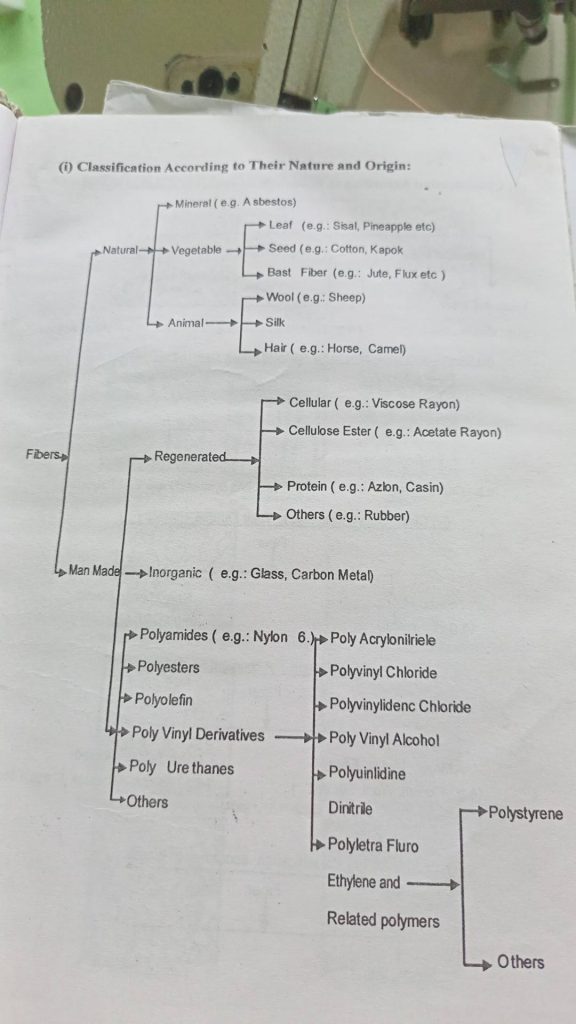
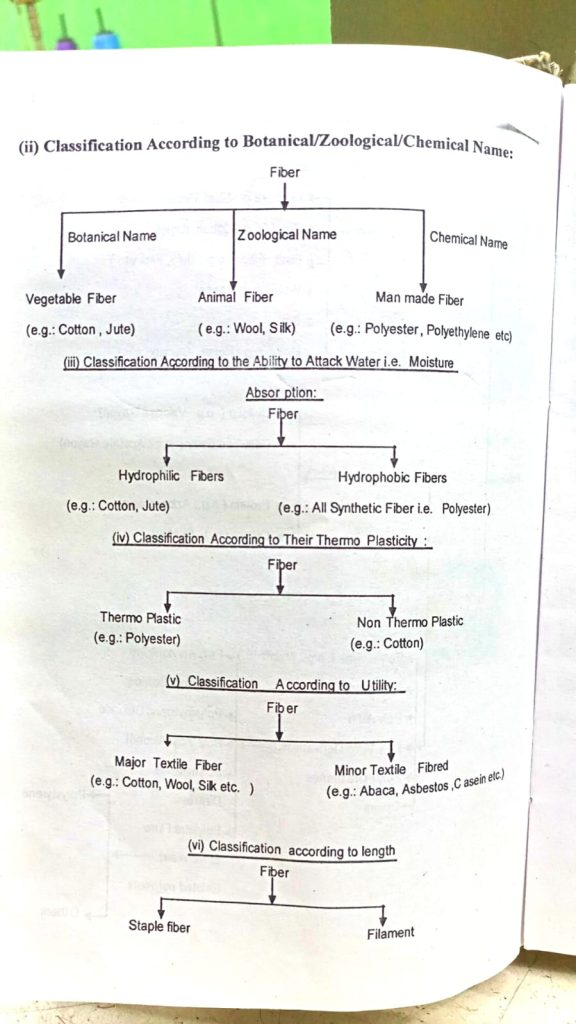
Modern textile fibers are fundamentally categorized by their chemical origins and structural orientation:
- Natural Fibers: Sourced directly from plants, animals, or mineral geological processes.
- Man-Made (Semi-Synthetic) Fibers: Produced by chemically modifying naturally occurring polymers (such as cellulose from wood pulp) where the original polymeric structures remain mostly intact but are altered for processability.
- Synthetic Fibers: Completely manufactured from scratch via polymerization, a chemical process where small chemical units (monomers) are linked together to build completely new macromolecular structures.
Key Scientific Insight: Research into polymer chemistry eventually revealed that both natural and synthetic fibers share a common structural trait: they are composed of linear organic macromolecules with a highly ordered molecular arrangement oriented along three major dimensions.


Leave a Reply